

Buying the best OBD2 scanner under $200 in 2026 isn’t about chasing the longest feature list or the newest touchscreen. What actually matters is whether the tool can consistently pull live data, access ABS and airbag systems, and stay reliable as vehicles continue to evolve.
This guide is based on real-world use—not manufacturer promises. I went through long-term owner reviews, mechanic forums, Reddit discussions, and hands-on user feedback from people who rely on these scanners week after week. Many scanners look impressive at first, but issues like unstable updates, locked features, or limited safety-system access show up quickly in real use.
To keep this list honest and useful, I narrowed it down to five scanners that repeatedly prove themselves for DIY owners and small garage work. Every pick here delivers meaningful diagnostics under the $200 mark—without pretending to be a professional dealer tool.
If your goal is to understand warning lights, confirm repairs, and avoid unnecessary shop visits, these scanners are worth your time.
Recommended OBD2 Scanners Under $200 for 2026 Vehicles
- BlueDriver Bluetooth Pro – Mobile diagnostics with clear repair guidance
- LAUNCH CRP123I V3.0 Elite – Engine, transmission, ABS & SRS coverage
- FOXWELL NT630 Plus – ABS-focused diagnostics with bidirectional tests
- INNOVA 6100P – Strong US-vehicle support with battery testing
- LAUNCH CRP123X V3.0 Elite – Most complete all-round diagnostic tool
| Scanner | Type | ABS & SRS Access | Live Data Quality | Best For |
|---|---|---|---|---|
| BlueDriver Bluetooth Pro | Bluetooth | Yes (Read/Clear) | Clean & Easy | Everyday drivers who want clear explanations |
| LAUNCH CRP123I V3.0 Elite | Handheld | Yes | Multi-Stream View | Engine + transmission diagnostics |
| FOXWELL NT630 Plus | Handheld | Yes (Advanced ABS) | Sensor-Focused | Brake and ABS troubleshooting |
| INNOVA 6100P | Handheld | Yes | Stable & Simple | US-market vehicles & battery checks |
| LAUNCH CRP123X V3.0 Elite | Handheld | Yes (Deep Access) | Advanced Graphs | Most complete diagnostics under $200 |
How These Scanners Were Selected
Not every scanner that claims “full system diagnostics” actually delivers. Popularity alone didn’t earn a spot here.
System access came first. Every scanner on this list reliably reads live data and accesses ABS and SRS modules on supported vehicles. Tools that locked key functions behind subscriptions or vague compatibility disclaimers were excluded.
Long-term reliability mattered more than launch impressions. Many scanners work well for the first few weeks, then become frustrating due to slow boot times, failed updates, or dropped connections. These five stood out because long-term users reported stable performance months—and sometimes years—after purchase.
Vehicle support in 2026 was non-negotiable. Cars are adding new communication protocols and security layers. The scanners chosen here have proven update histories and ongoing manufacturer support, which keeps them useful on newer models.
Usability mattered too. A scanner can be powerful, but if it hides data behind confusing menus, it wastes time. Each tool here offers a workflow that makes sense during real diagnostics—not just in marketing demo
Understanding ABS & SRS Support Before You Buy
ABS and SRS claims are often misunderstood in the under-$200 scanner category. Knowing what these tools realistically do will prevent disappointment.
Reading vs Clearing Codes
Some scanners can read ABS or airbag codes but can’t clear them after repairs. That’s not true diagnostics. The scanners worth buying allow you to verify a fix, not just confirm a problem exists.
Live Data Is the Difference
Real ABS diagnostics mean wheel speed sensor data, brake input status, and module communication—not just stored codes. For SRS systems, live data can help identify wiring or sensor issues before they become permanent faults.
Vehicle-Specific Limitations
ABS and airbag systems vary widely by manufacturer. Good scanners clearly define supported makes and models and receive updates as new vehicles are released.
No Programming at This Price
These tools are for diagnostics and resets—not coding or module programming. Any scanner claiming full airbag programming under $200 is exaggerating. Accurate diagnosis is far more valuable.
#1. BlueDriver Bluetooth Pro OBD2 Scanner
Key Capabilities:
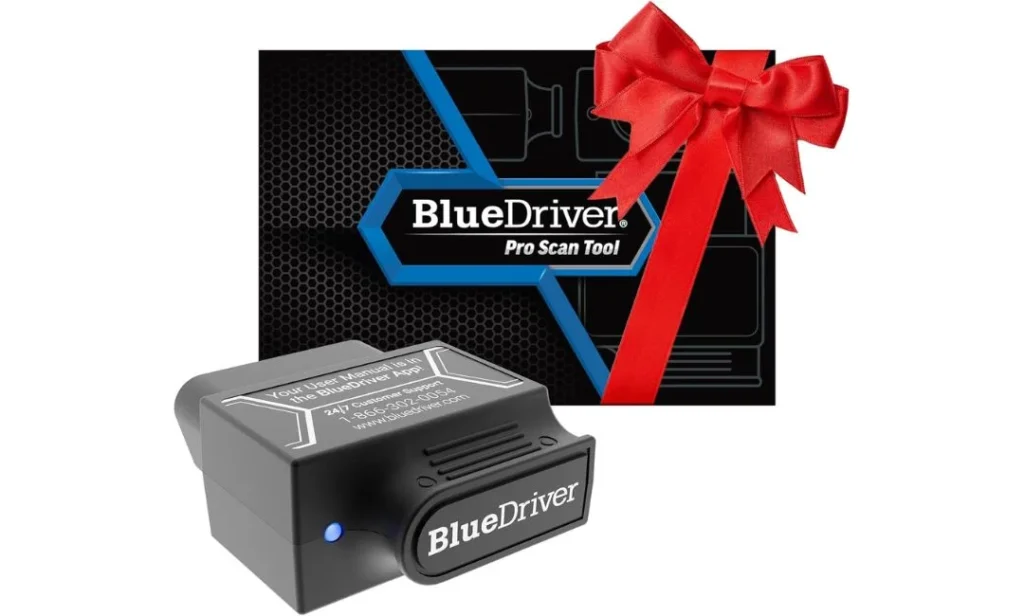
- Bluetooth-based scanner for iOS & Android
- Reads and clears ABS, SRS, airbag & TPMS codes
- Live data streaming through smartphone app
- Detailed repair reports with likely fixes
- No subscriptions or locked features
BlueDriver takes a different approach than traditional handheld scanners. Instead of buttons and screens, it turns your phone into a diagnostic display. What makes it popular isn’t just convenience—it’s how clearly it explains problems.
Beyond fault codes, the app provides repair guidance based on real-world data. For many users, this removes the confusion that usually follows an ABS or airbag warning light. Live data is clean and easy to monitor, and the Bluetooth connection remains stable during driving.
Best for: Drivers who want easy-to-understand diagnostics and mobile convenience without dealing with complex scanner menus.
Real-use tip: Review past repair reports when a warning light comes and goes—patterns often point to wiring or sensor issues early.
#2. LAUNCH CRP123I V3.0 Elite OBD2 Scanner
Key Capabilities:
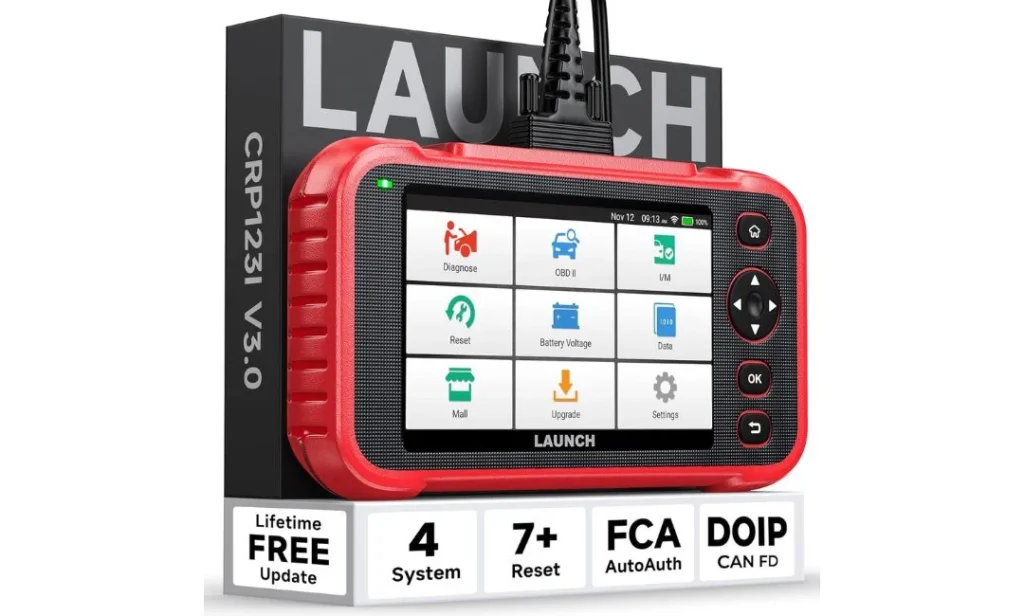
- Engine, transmission, ABS & SRS diagnostics
- Multi-stream live data display
- CAN-FD & DoIP support (adapter required)
- FCA AutoAuth compatibility
- Lifetime free Wi-Fi updates
The CRP123I is built for users who want broad coverage without professional-tool pricing. Transmission diagnostics are a major advantage here, especially for tracking temperature and shift behavior alongside engine data.
Its live data interface allows multiple parameters on one screen, which makes spotting abnormal behavior faster. Service resets cover the functions most owners actually need, helping avoid unnecessary shop visits.
Best for: DIY owners who want transmission, ABS, and airbag diagnostics in one dependable handheld tool.
Real-use tip: Monitor transmission temperature and RPM together when diagnosing hesitation or rough shifting—it often reveals heat-related issues early.
#3. FOXWELL NT630 Plus OBD2 Scanner
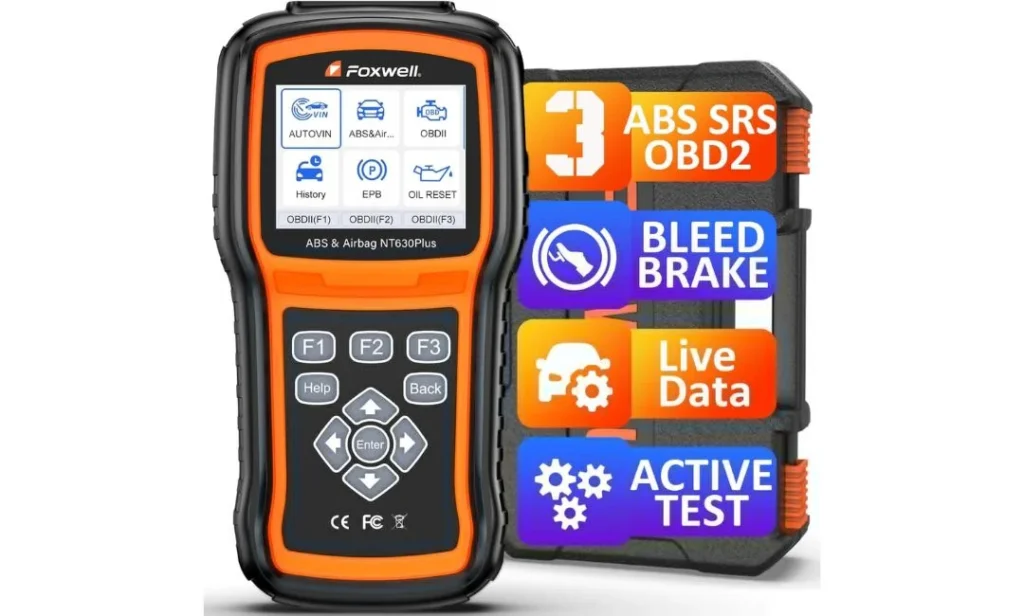
- Dedicated ABS & SRS diagnostics
- Bidirectional ABS pump and valve testing
- ABS auto-bleed on supported vehicles
- Live wheel speed data
- No subscription requirements
The NT630 Plus is focused, not flashy. It’s designed specifically for brake and ABS diagnostics. Bidirectional testing allows active control of ABS components—something many scanners under $200 can’t do.
While SRS access is limited to realistic functions, ABS diagnostics are where this scanner shines, especially after brake repairs or ABS component replacement.
Best for: Users who frequently deal with brake and ABS issues and want deeper system testing.
Real-use tip: Run pump and valve tests before replacing sensors—many ABS faults aren’t sensor-related at all.
#4. INNOVA 6100P OBD2 Scanner
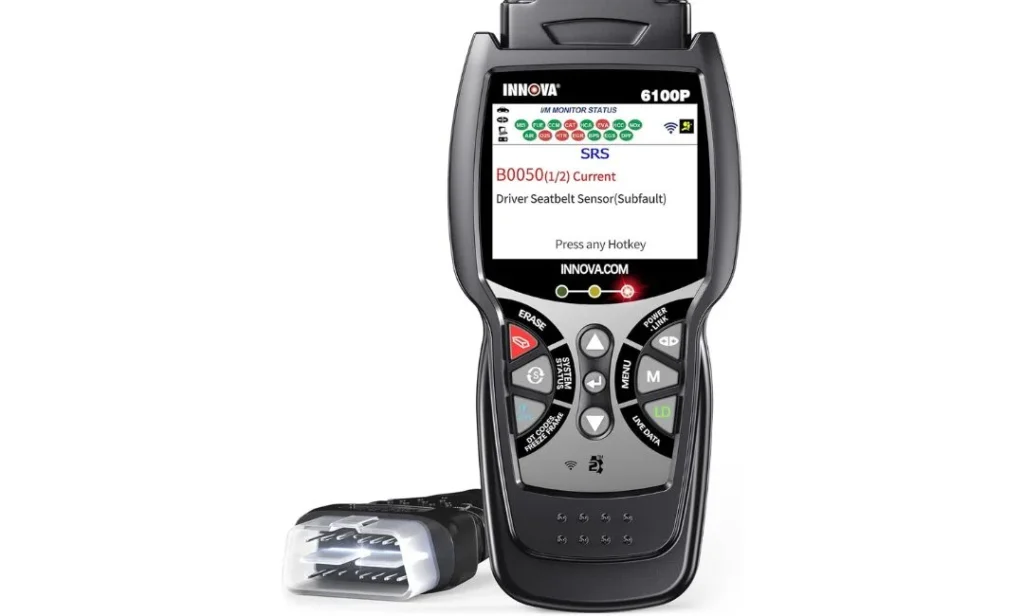
Key Capabilities:
- Engine, ABS, SRS & transmission diagnostics
- Battery and alternator testing
- Code severity indicators
- Smog readiness checks
- Physical button interface
The Innova 6100P is straightforward and safety-focused. It works especially well on US-market vehicles and provides clear guidance through code severity levels, helping decide what needs immediate attention.
Battery and charging system testing add extra value, making this scanner useful beyond fault-code reading.
Best for: Everyday drivers who want clear diagnostics and battery testing without a learning curve.
Real-use tip: Use code severity ratings to decide whether a warning light can wait or needs immediate diagnosis.
#5. LAUNCH CRP123X V3.0 Elite OBD2 Scanner
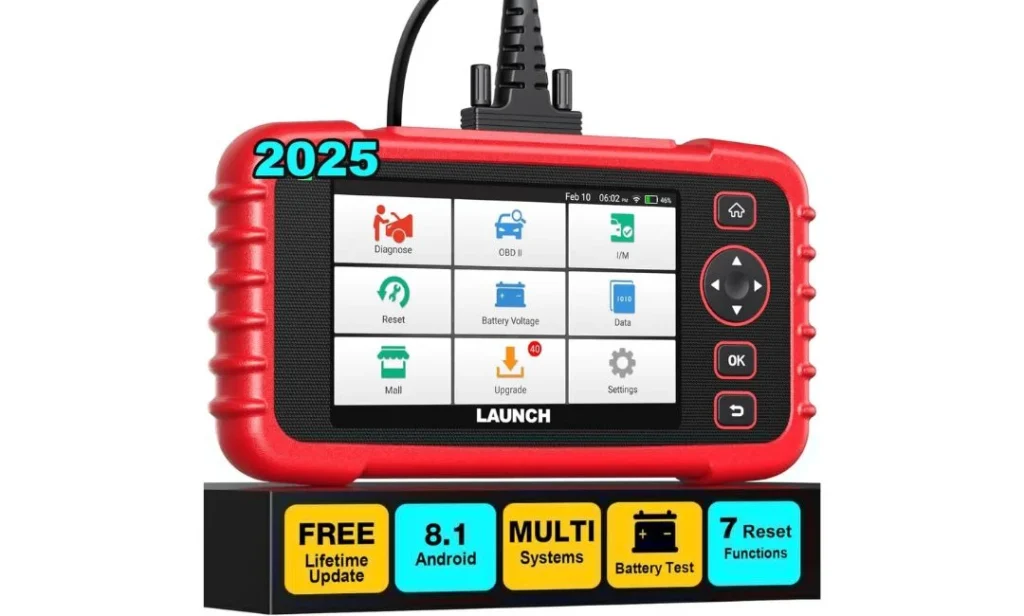
Key Capabilities:
- Full-system diagnostics with ABS & SRS
- Advanced live data graphs and waveforms
- FCA AutoAuth support
- CAN-FD & DoIP compatibility
- Lifetime free updates
The CRP123X offers the deepest diagnostics under $200. Live data performance is excellent, and multi-graph views help isolate intermittent faults that basic scanners miss.
It’s fast, stable, and well-supported with updates—making it a scanner you can keep using as vehicles evolve.
Best for: Serious DIY owners and small garages needing the most complete diagnostics under $200.
Real-use tip: Compare wheel speed sensors side by side in live graphs to catch dropouts before codes appear.
Which One Should You Choose?
There’s no single “best” scanner for everyone. The right choice depends on how you work:
- Want the most complete tool? → LAUNCH CRP123X
- Need transmission coverage? → LAUNCH CRP123I
- Focused on brakes & ABS? → FOXWELL NT630 Plus
- Drive mostly US vehicles? → INNOVA 6100P
- Prefer phone-based diagnostics? → BlueDriver
What to Look For When Choosing an OBD2 Scanner Under $200
Buying an OBD2 scanner in the under-$200 range is less about chasing features and more about understanding how the tool will actually be used. Many scanners look capable on paper but fall short once you connect them to a real vehicle. These are the factors that separate a scanner you rely on from one that ends up unused.
Real System Access, Not Just Engine Codes
Almost every scanner can read engine codes. That alone doesn’t justify a purchase. What matters is whether the scanner provides consistent access to ABS and SRS systems on your specific vehicle. A good scanner clearly supports safety systems without vague disclaimers or locked functions that appear only after purchase.
Live Data That Updates Fast and Makes Sense
Live data should help you diagnose problems, not confuse you. Look for scanners that refresh sensor data smoothly and allow multiple parameters to be viewed together. Being able to compare wheel speed sensors, battery voltage, or RPM side by side often reveals issues long before a fault code is stored.
Software Updates and Long-Term Support
Vehicles change faster than scanners. A tool without regular updates may still connect, but system access can become limited over time. Scanners with a strong update track record remain useful across newer model years, making them a better long-term investment even at a lower price point.
Honest ABS and Airbag Capabilities
ABS and SRS diagnostics are often exaggerated in product descriptions. At this price level, realistic support means reading and clearing fault codes and viewing relevant live data—not airbag programming or module coding. Scanners that clearly define these limits are usually more trustworthy than those that promise everything.
Ease of Use During Real Diagnostics
A scanner can be powerful but still frustrating to use. Menus should be logically organized, data should be easy to find, and common functions shouldn’t be buried. Whether it’s a handheld unit or a Bluetooth scanner, usability directly affects how often you actually use the tool.
Update Costs and Hidden Restrictions
Some scanners advertise low upfront pricing but restrict key features behind subscriptions or paid updates. Before buying, check whether updates are free and whether any core functions require additional payments. A slightly higher upfront cost with no ongoing fees is often the smarter choice.
Vehicle Compatibility That Matches Your Garage
Not all scanners work equally well across all brands. Some perform better on US-market vehicles, while others offer stronger coverage for newer platforms with added security layers. Matching the scanner to the vehicles you actually own or work on matters more than broad marketing claims.
Common Mistakes People Make With OBD2 Scanners
Most users assume clearing a fault code means the problem is solved. In reality, it only resets the warning. If the underlying issue—like a weak sensor signal or wiring problem—still exists, the light will return after a short drive. Another mistake is ignoring live data. Many ABS and airbag issues appear in live sensor readings before a code is permanently stored. Relying only on codes often leads to unnecessary part replacement.
Handheld vs Bluetooth OBD2 Scanners: Choosing Based on How You Work
Handheld scanners are better for garage work and service-related tasks. They boot quickly, don’t rely on a phone, and are more practical for brake jobs or reset functions. Bluetooth scanners focus on convenience and explanation. They’re easier for everyday drivers who want clear guidance and the ability to view live data while driving. Neither is better overall—the right choice depends on how often and where you plan to use it.
What OBD2 Scanners Under $200 Can’t Do (Setting Real Expectations)
Scanners in this price range are designed for diagnostics, not programming. They won’t perform ECU coding, advanced calibrations, or airbag reprogramming after deployment. Their role is to help you diagnose issues accurately, confirm repairs, and decide whether a shop visit is necessary. Used with realistic expectations, they offer excellent value for long-term ownership.
Final Buying Thoughts
The best OBD2 scanner under $200 isn’t the one with the most claims—it’s the one that matches how you diagnose and maintain your car. Every scanner here delivers real live data, ABS, and SRS access, not just marketing promises.
Choose the tool that fits your use case, and you’ll save time, avoid unnecessary repairs, and get clearer answers when warning lights appear.
FAQs About OBD2 Scanners Under $200
1. Can an OBD2 scanner under $200 actually save money long term?
Yes—if you use it correctly. These scanners won’t replace a professional shop, but they help you avoid unnecessary visits. Knowing whether a warning light is a loose sensor, a temporary fault, or something serious often saves diagnostic fees alone, which usually cover the scanner’s cost within a few uses.
2. Why do some ABS or airbag lights come back even after clearing codes?
Because clearing a code doesn’t fix the cause. ABS and SRS systems recheck themselves while driving. If a sensor signal drops again or a wiring issue remains, the light will return. A good scanner helps you confirm whether the repair actually worked instead of giving false confidence.
3. Is live data useful for normal drivers or only mechanics?
It’s useful for anyone who wants clarity. Live data helps you see problems before they become permanent—like a wheel speed sensor that drops out occasionally or a battery voltage that dips under load. You don’t need to understand every number; patterns matter more than raw data
4. Do software updates really matter for OBD2 scanners?
Absolutely. Modern vehicles change fast. Without updates, scanners may connect but fail to access newer ABS, SRS, or security-protected systems. A scanner with regular updates stays relevant longer, especially if you plan to keep it through multiple vehicles.
5. When is a handheld scanner better than a Bluetooth one?
Handheld scanners are better if you want service resets, ABS bleed functions, or bidirectional tests without relying on a phone. Bluetooth scanners shine when you want simplicity and clear explanations. It’s less about “better” and more about how you prefer to diagnose issues.
